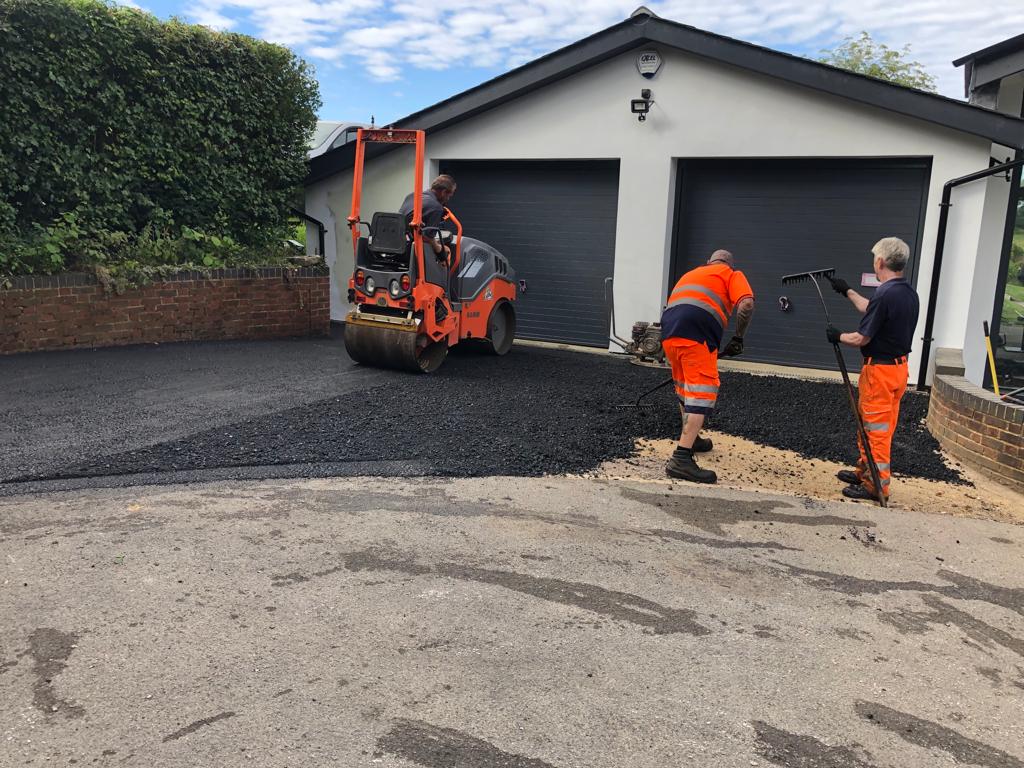
Resurfacing can improve the appearance and function of an asphalt or bitumen surface, but it will not correct every problem underneath it. Cracks, potholes, soft areas and drainage issues can continue to affect the new layer if they are left untreated. For property owners in Murray Bridge, SA, assessing and repairing existing damage is an important part of planning a durable resurfacing project.
Why does existing damage matter?
A new surface follows the shape and movement of the layer beneath it. If the existing pavement is cracked, uneven or unstable, those weaknesses may show through again after resurfacing. Water can also enter through unrepaired cracks, weaken the pavement structure and contribute to further deterioration.
Resurfacing is most effective when the underlying surface is suitable to support the new layer. That means identifying the cause and extent of the damage before work begins, rather than covering it and hoping it will not return.
Damage that may need attention
The condition of each surface is different, but an assessment may identify:
- Cracks: These can let water reach the layers below and may reappear in the new surface if not treated properly.
- Potholes and broken edges: These indicate material has already failed and may need repair before resurfacing.
- Depressions or uneven areas: These can collect water and affect the finished surface’s levels.
- Soft or unstable sections: These may point to a problem beneath the visible surface that resurfacing alone will not resolve.
- Drainage issues: Water that regularly pools or runs across the pavement can speed up deterioration.
These signs do not all call for the same repair. The appropriate approach depends on the surface condition, how widespread the damage is and what is causing it.
Repairs help the new surface perform
Addressing damage before resurfacing gives the new layer a more consistent base. Depending on the assessment, preparation may include removing failed material, repairing affected sections, treating cracks, correcting uneven areas or improving how water drains.
This preparation helps reduce the chance of defects quickly returning and supports a smoother, more even finish. It also helps contractors determine whether resurfacing is suitable or whether parts of the existing pavement need more substantial work first.
Why a proper assessment is useful
Some defects are visible, while others become clearer when the surface is inspected closely. A professional assessment can help distinguish between isolated wear and damage linked to a wider issue beneath the pavement.
For surfaces in Murray Bridge, SA, this step helps ensure the proposed work responds to the condition of the site. It also sets clear expectations about which repairs are needed before resurfacing can begin.
Conclusion
Existing damage should be addressed before resurfacing because the new layer depends on the condition of the pavement below it. Repairing cracks, potholes, unstable areas and drainage problems can help prevent existing weaknesses from affecting the finished surface.
If your asphalt or bitumen surface in Murray Bridge needs attention, contact Murray Bridge Road Tech SA to arrange an assessment and discuss whether repairs and resurfacing are suitable for your site.
Call us on: 08 5122 4181
Click here to find out more about Murray Bridge Road Tech SA
Click here to complete our contact form and see how we can help with your Asphalt and Bitumen Surfacing needs.