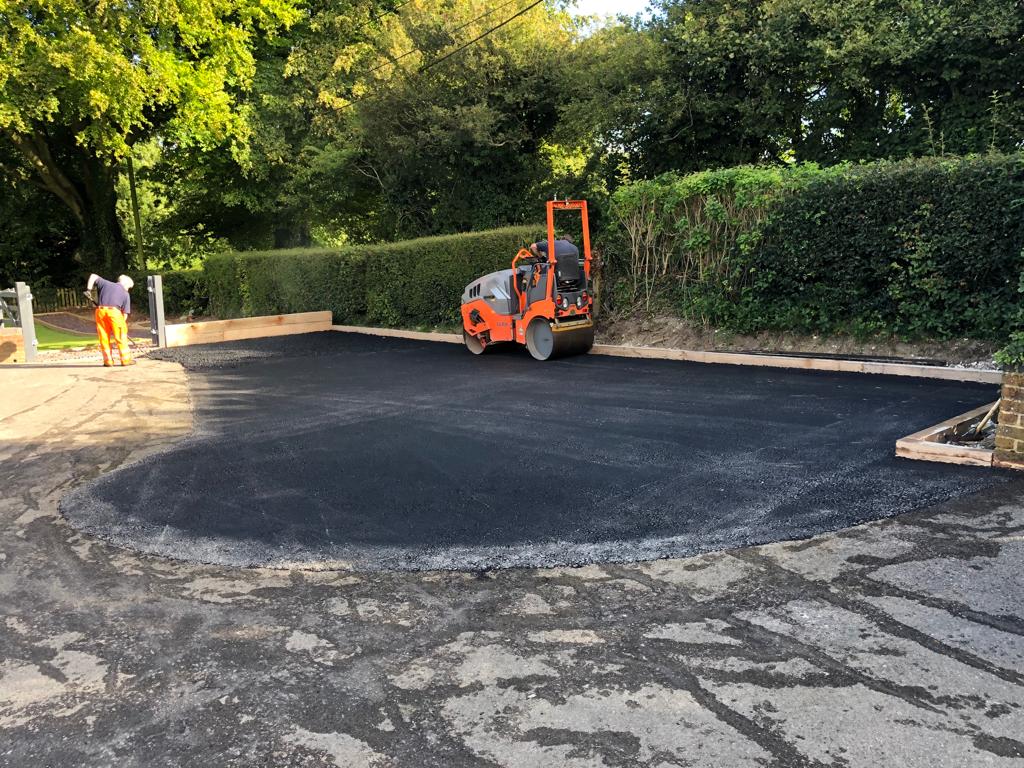
A bitumen road surface is constantly exposed to vehicle movements, changing weather conditions and gradual wear. Over time, the protective wearing layer can begin to deteriorate, allowing moisture to penetrate vulnerable areas and increasing the likelihood of cracking, loose aggregate and surface breakdown. When these early signs of deterioration appear, a professional bitumen reseal may help preserve the existing pavement and extend its serviceable life.
For property owners and businesses in Murray Bridge, SA, understanding when a bitumen reseal is appropriate can make an important difference to long-term road maintenance. Resealing is designed to renew the protective surface of a suitable pavement, helping it resist further wear while retaining the supporting structure underneath.
How Does a Bitumen Reseal Protect an Existing Road?
A bitumen reseal involves applying a new bituminous binder and aggregate to an existing sealed pavement. The treatment creates a renewed wearing surface that helps protect the underlying road from traffic and environmental exposure.
Unlike complete road reconstruction, resealing generally retains the existing pavement structure. Its effectiveness therefore depends on the condition of the road before the treatment begins.
When the underlying pavement remains stable, a properly applied reseal can improve surface protection, restore texture and reduce the opportunity for water to enter through general surface deterioration.
Why Do Bitumen Roads Need Resealing?
Bitumen road surfaces gradually change as they age.
Repeated vehicle movements can wear the surface, while environmental exposure can contribute to binder ageing and the gradual loss of aggregate retention. As deterioration progresses, the protective qualities of the existing seal may become less effective.
A road approaching the end of its surface treatment’s serviceable life may begin showing signs such as:
- General surface wear and weathering
- Loss of aggregate from the existing seal
- A smoother or less consistent surface texture
- Small areas of surface deterioration
- Early cracking
- Increased exposure of the underlying pavement
These symptoms do not automatically mean that the road needs rebuilding. Where the supporting pavement remains sound, resealing may be an appropriate maintenance option.
A Renewed Surface Helps Limit Water Penetration
One of the main benefits of bitumen resealing is improved protection against water entering the pavement from above.
When moisture passes through cracks or deteriorated sections, it can reach the supporting road base. If those materials lose strength, continued traffic can contribute to movement, cracking and pothole formation.
A correctly applied reseal can provide a more continuous protective wearing layer, reducing the opportunity for water to penetrate through general surface wear.
However, existing structural cracks, drainage problems and unstable sections must be assessed beforehand. Resealing alone cannot correct a pavement that is already moving or allowing water to enter through significant defects.
Resealing Can Help Preserve the Existing Road Base
The road base is essential to pavement performance because it distributes vehicle loads and supports the surface above.
When a bitumen seal begins deteriorating, the supporting layers may become more vulnerable to moisture infiltration and progressive damage.
By renewing the wearing surface before substantial deterioration occurs, resealing can help protect a road base that remains in good condition.
This is why preventative maintenance is often most effective before the road develops extensive potholes, rutting or settlement.
Can Bitumen Resealing Reduce Surface Wear?
A reseal creates a renewed layer of aggregate held by bituminous binder.
This aggregate forms the wearing surface that comes into contact with vehicle tyres. When properly selected and applied, it helps protect the pavement beneath from direct traffic wear.
The treatment can be particularly useful where an existing seal has become aged or worn but has not yet developed widespread structural problems.
The objective is to restore a suitable protective surface rather than simply improve the appearance of the road.
Improved Surface Texture Is Another Benefit
As a sealed road ages, its surface texture can change because of aggregate wear, polishing or loss of material.
A professional reseal introduces a new aggregate layer, which can restore surface texture when the treatment is appropriately designed.
Aggregate selection is important because different road uses place different demands on the wearing surface.
The type and size of aggregate should suit the existing pavement, traffic conditions and intended application.
A properly designed reseal considers these factors rather than relying on a single treatment specification for every road.
When Is a Bitumen Reseal Most Effective?
Resealing generally provides the greatest benefit when the existing pavement remains structurally sound but the wearing surface is showing signs of ageing.
Suitable conditions may include:
- General deterioration of an existing bitumen seal
- Surface texture that requires renewal
- Minor weathering and aggregate loss
- Limited defects that can be repaired beforehand
- A stable pavement base
- Adequate drainage
- A road that remains suitable for its expected traffic
The timing matters. Waiting until extensive structural damage develops can reduce the suitability of resealing as a standalone treatment.
Can a Reseal Stop Small Cracks from Getting Worse?
A bitumen reseal can help protect a pavement from moisture penetration, but its ability to address cracking depends on the nature of the defect.
Fine surface deterioration may be manageable as part of a properly prepared resealing project.
However, cracks caused by ongoing settlement, base instability or significant pavement movement require more detailed attention.
If the underlying cause remains active, cracks may eventually affect the new seal.
Professional assessment helps establish which defects should be repaired before resealing and whether the pavement is suitable for the treatment.
Why Potholes Must Be Repaired Before Resealing
A bitumen reseal is not designed to rebuild potholes or restore failed pavement support.
If a road contains potholes, loose material or unstable sections, these areas should be addressed before the new seal is applied.
A suitable pothole repair may involve removing deteriorated material, correcting the supporting base where necessary and restoring a stable pavement profile.
Applying a reseal directly over damaged areas can leave weaknesses underneath the renewed surface.
Correct preparation is therefore essential to achieving dependable results.
Drainage Problems Should Be Addressed First
Even a newly resealed road can experience deterioration if water consistently collects on the pavement or enters through unsupported edges.
Before resealing, the existing surface should be checked for:
- Standing water
- Depressions
- Inadequate surface falls
- Water flowing through damaged sections
- Edge erosion
- Areas affected by repeated moisture infiltration
Where drainage problems exist, they should be considered as part of the preparation process.
A reseal can improve surface protection, but it cannot replace the need for effective water management.
Why Surface Preparation Is So Important
The performance of a bitumen reseal depends heavily on the condition of the existing road.
Before application, the surface needs to be assessed and prepared so the new binder and aggregate can perform as intended.
Preparation may include cleaning the pavement, removing loose material, repairing potholes, treating appropriate cracks and correcting localised defects.
The existing road must also provide a suitable surface for the new treatment.
If the pavement is contaminated, unstable or badly deteriorated, the new seal may not achieve the expected performance.
Professional Binder and Aggregate Application Matters
A bitumen reseal involves more than spreading aggregate over an existing road.
The binder application rate must be appropriate for the pavement condition, aggregate and expected traffic. The aggregate must then be distributed and rolled correctly to achieve effective embedment and retention.
Insufficient binder can contribute to aggregate loss, while excessive binder can create an undesirable surface condition.
Weather and pavement conditions during application also influence the result.
Experienced surfacing contractors understand the importance of selecting suitable materials and applying them under appropriate conditions.
Can Resealing Help Prevent Potholes?
Resealing can reduce some of the conditions that contribute to pothole formation, particularly where the existing pavement is sound and deterioration is primarily occurring within the wearing surface.
By renewing surface protection and limiting moisture penetration, the treatment can help preserve the supporting pavement.
However, resealing cannot guarantee that potholes will never develop.
Potholes caused by deep structural weaknesses, unstable base materials or significant pavement movement require those underlying problems to be addressed.
Resealing should therefore be viewed as an important preventative maintenance treatment rather than a solution for every form of pavement failure.
What Is the Difference Between Resealing and Resurfacing?
Although the terms are sometimes used interchangeably, bitumen resealing and asphalt resurfacing are different treatments.
Bitumen resealing generally involves applying a new sprayed binder and aggregate layer over a suitable existing sealed pavement.
Asphalt resurfacing involves laying a new asphalt layer over a prepared pavement.
Both treatments can renew a road surface, but they use different materials and construction methods.
The appropriate option depends on the existing pavement, surface condition, traffic requirements and intended performance.
A professional assessment helps determine which treatment is suitable rather than assuming that one approach is appropriate for every road.
When Might Asphalt Resurfacing Be More Appropriate?
Asphalt resurfacing may be considered where the existing pavement requires a renewed asphalt wearing layer rather than a sprayed bitumen seal.
The condition of the supporting pavement remains important.
Before resurfacing, significant defects and unstable areas should be corrected. A new asphalt layer should not simply conceal underlying movement or structural deterioration.
Where the road base remains sound, resurfacing may provide an appropriate solution for particular pavement conditions and operational requirements.
When Is Resealing No Longer Suitable?
There are circumstances where the deterioration has progressed beyond what a reseal can reasonably address.
Warning signs include:
- Deep wheel rutting
- Widespread interconnected cracking
- Significant pavement settlement
- Repeated pothole formation
- Extensive surface deformation
- Large areas of unstable pavement
- Recurring failures after previous repairs
These symptoms may indicate that the supporting structure has deteriorated.
Where this is the case, deeper rehabilitation or reconstruction may be necessary before a dependable surface can be restored.
Not every damaged road requires complete reconstruction. Localised structural repairs may be possible where surrounding pavement remains serviceable.
Can an Older Bitumen Road Still Be Resealed?
The age of a road does not automatically determine whether resealing is appropriate.
An older pavement may still have a stable base and remain suitable for a new protective seal.
Conversely, a relatively newer road may require more substantial repairs if the supporting structure has deteriorated.
The decision should be based on the actual condition of the pavement, including cracking, rutting, drainage, previous repairs and structural stability.
This assessment helps ensure that the chosen treatment addresses the road’s requirements rather than relying on age alone.
How Can Regular Maintenance Support a Resealed Road?
Once a road has been resealed, ongoing maintenance remains important.
Routine inspections can identify developing cracks, drainage problems, edge deterioration and areas of unusual wear before they become more extensive.
Particular attention should be given to sections carrying frequent vehicle movements or experiencing concentrated loading.
Prompt attention to emerging defects helps protect the renewed seal and preserve the supporting pavement.
Resealing works best as part of a broader approach to road maintenance rather than as a treatment that eliminates the need for future inspections.
Why Professional Assessment Makes a Difference
Determining whether a road is suitable for resealing requires more than observing its appearance.
An experienced bitumen surfacing contractor can assess the existing seal, pavement stability, drainage, traffic conditions and any localised defects.
This helps establish whether the road requires preparation and resealing, asphalt resurfacing or deeper repairs.
A properly selected treatment can preserve serviceable pavement and avoid applying a surface solution where structural work is actually needed.
For road surfaces in Murray Bridge, SA, professional assessment provides a practical starting point for maintaining dependable long-term performance.
Conclusion
A professional bitumen reseal can help protect an existing road by renewing its wearing surface, improving aggregate texture and reducing the opportunity for moisture to penetrate the pavement. When completed at the appropriate stage of deterioration, resealing can help preserve a stable road base and reduce the likelihood of avoidable surface breakdown.
However, the success of a reseal depends on the condition of the existing pavement. Potholes, significant cracking, drainage problems and unstable sections should be assessed and corrected before the treatment is applied. Where structural deterioration is extensive, resurfacing or deeper rehabilitation may be more appropriate.
Murray Bridge Road Tech SA provides professional bitumen resealing, asphalt repairs and road resurfacing services throughout Murray Bridge, SA. If your existing road surface is showing signs of wear, aggregate loss or early deterioration, contact our team to arrange an assessment and discuss whether a bitumen reseal would be suitable for protecting the pavement.
Call us on: 08 5122 4181
Click here to find out more about Murray Bridge Road Tech SA
Click here to complete our contact form and see how we can help with your Asphalt and Bitumen Surfacing needs.