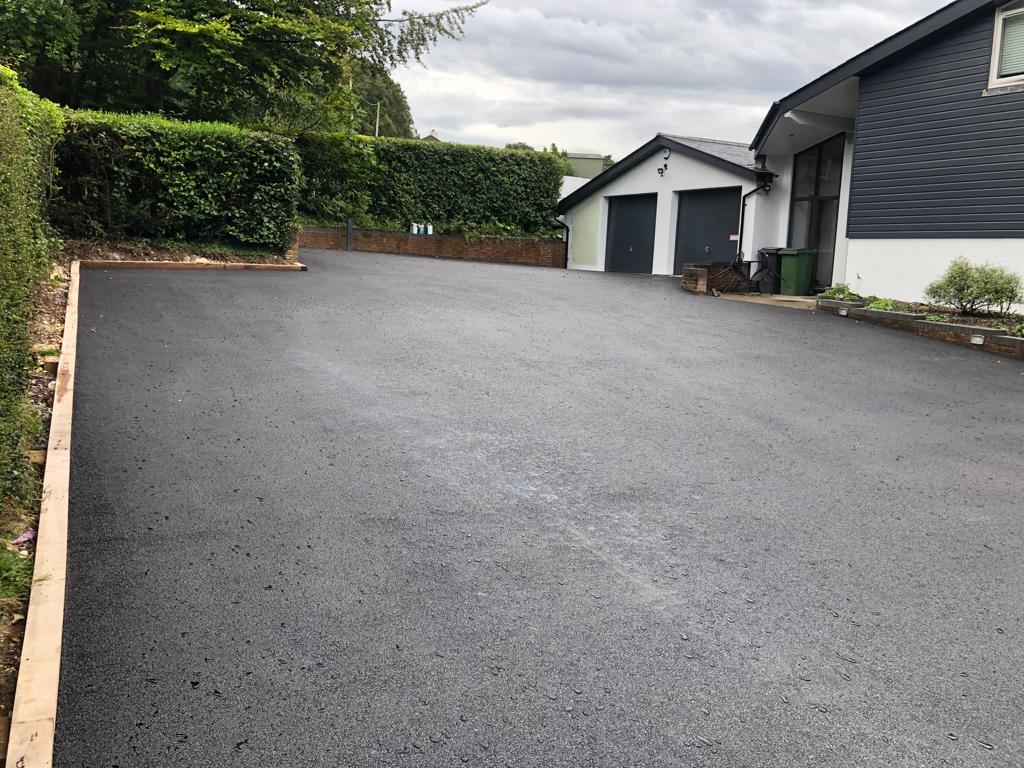
Asphalt is designed to provide a strong, smooth and dependable surface, but it is not immune to deterioration. Traffic, weather exposure, water and general ageing can gradually cause cracks, worn sections and other defects to appear. While minor damage may not initially seem urgent, leaving it unattended can allow problems to spread beyond the surface.
For property owners and businesses in Murray Bridge, SA, recognising deterioration early can make an important difference to the condition and longevity of an asphalt pavement. Murray Bridge Road Tech SA provides professional asphalt and bitumen resurfacing solutions designed to restore suitable surfaces before deterioration becomes more extensive.
Small Cracks Can Become Much Larger
A minor crack may appear to be mainly a cosmetic problem, but it can create an opening through which water and debris enter the pavement.
As traffic repeatedly passes over the affected area, movement can cause the crack to widen or spread. Instead of one isolated defect, the surface may eventually develop a network of cracks requiring more extensive attention.
Early deterioration can progress from:
- Fine surface cracking
- Wider and deeper cracks
- Multiple interconnected cracks
- Loose or broken pavement
- Localised surface failure
This is why the extent and pattern of cracking are important when assessing an ageing asphalt surface.
Water Can Reach the Pavement Base
One of the biggest concerns with damaged asphalt is moisture penetration. The asphalt surface helps protect the pavement structure underneath, but cracks and failed sections can provide pathways for water.
Once moisture reaches the base, it may reduce the ability of the pavement to support vehicle loads effectively. Repeated traffic over weakened areas can then accelerate deterioration.
Potential consequences include:
- Movement beneath the asphalt
- Depressions forming in the surface
- Increased cracking
- Loss of pavement stability
- Development of potholes
Maintaining effective drainage around the pavement is also important because persistent standing water can increase the amount of moisture affecting vulnerable areas.
Potholes Can Develop
Potholes rarely appear without an underlying cause. They often develop where cracking, moisture and repeated vehicle loading have combined to weaken and break apart the pavement.
Once material begins to loosen, vehicle tyres can remove more of it each time they pass over the area. The damaged section can progressively become wider and deeper.
Driving Conditions Become Rougher
As asphalt deterioration progresses, the surface can lose the smoothness that makes it comfortable and practical to use.
Drivers may begin to notice:
- Bumps and depressions
- Rough transitions
- Potholes
- Uneven wheel paths
- Loose surface material
For driveways, access roads, car parks and other frequently used areas in Murray Bridge, these defects can reduce the overall usability of the pavement.
Drainage Problems Can Become Worse
Surface damage and drainage problems can reinforce one another. A depression may collect water after rainfall, while that additional moisture can contribute to further deterioration of the weakened pavement.
As the problem develops, water may remain in low areas rather than flowing away as intended.
Professional assessment can determine whether the issue is limited to the asphalt surface or whether grading, drainage or the underlying pavement also requires attention.
Damaged Areas Can Begin to Affect Surrounding Asphalt
One reason timely maintenance matters is that deterioration does not necessarily remain confined to its original location.
The edges of a pothole can break away. Cracks can extend into surrounding pavement. A weakened base can allow adjacent areas to move under vehicle loads.
What begins as an isolated defect can therefore become a much larger section of deteriorated asphalt when left for an extended period.
Surface Appearance Also Declines
Performance is the primary concern, but ageing asphalt can also affect the overall presentation of a property.
Extensive cracking, patchy repairs, potholes and deteriorated edges can make an otherwise well-maintained site appear neglected. A properly resurfaced pavement provides a cleaner, more consistent finish while also addressing functional surface deterioration.
When Does Asphalt Resurfacing Make Sense?
Not every damaged asphalt pavement requires the same treatment. Minor isolated defects may be suitable for targeted repairs, while widespread surface deterioration may indicate that resurfacing should be considered.
Resurfacing can be appropriate when the underlying pavement remains sufficiently stable but the existing asphalt wearing surface has deteriorated.
It can help:
- Restore a smoother driving surface
- Cover widespread surface wear
- Improve pavement appearance
- Renew the protective wearing layer
- Extend the useful life of a suitable existing pavement
However, resurfacing should not simply cover serious underlying problems. Weak foundations, major deformation and drainage issues need to be identified and addressed appropriately if the renewed surface is expected to perform well.
Why Professional Assessment Matters
The visible damage does not always reveal what is happening underneath an asphalt pavement. Two surfaces with similar cracking can require different approaches depending on their foundations, drainage and traffic demands.
A professional assessment considers factors such as:
- The type and extent of cracking
- Potholes and surface deformation
- Existing drainage
- Pavement stability
- Traffic and intended use
- Condition of the underlying base
Understanding the cause of deterioration allows the most appropriate repair or resurfacing approach to be selected rather than simply covering the visible symptoms.
Conclusion
Leaving asphalt surface damage too long can allow relatively minor defects to develop into wider cracking, potholes, uneven areas and problems within the pavement beneath. Water penetration and repeated vehicle traffic can accelerate this process, particularly once the surface has lost its ability to protect the underlying structure effectively.
For property owners and businesses in Murray Bridge, SA, dealing with deterioration at an appropriate stage can help preserve a pavement before damage becomes more extensive. Murray Bridge Road Tech SA provides professional asphalt and bitumen resurfacing solutions tailored to the existing condition and use of each surface. If your asphalt is showing increasing signs of wear, arranging an assessment can help determine whether repairs or resurfacing are the most suitable next step.
Call us on: 08 5122 4181
Click here to find out more about Murray Bridge Road Tech SA
Click here to complete our contact form and see how we can help with your Asphalt and Bitumen Surfacing needs.